
The UK has a steroid problem it refuses to measure. We're here for the people it refuses to help.
The hidden epidemic
No national study exists. These are estimates from regional samples.
~1m
Estimated UK steroid users
~230k
Young men aged 16–24 using
6.2%
Prevalence among Welsh men
80%+
Needle exchange clients are steroid users
3x
Higher mortality rate than non-users
9x
Higher imprisonment rate than non-users
Estimated annual drug use: all ages
Estimated annual drug use: ages 16–24
Know what you're putting in your body
Risk-rated compound profiles with dosage, side effects, and harm reduction guidance.
Anavar (Oxandrolone)
High RiskVar, Oxandrolone
Often considered one of the 'milder' oral steroids. Popular among beginners and women. Still carries real risks, particularly to cholesterol and liver values.
Dianabol (Methandrostenolone)
Extreme RiskDbol, Methandrostenolone, Diana
One of the oldest and most popular oral steroids. Known for rapid mass and strength gains, but with significant water retention and liver strain.
Boldenone (Equipoise)
Never UseEQ, Bold, Boldenone Undecylenate
Originally developed as a veterinary compound for horses. A slow-acting injectable known for increasing appetite, vascularity, and red blood cell production. The haematocrit increase is the primary safety concern.
Primobolan (Methenolone)
High RiskPrimo, Primo E, Methenolone Enanthate
Considered one of the mildest injectable steroids. Promotes slow, lean gains with minimal water retention. Expensive and commonly counterfeited, so gear testing is essential.
Winstrol (Stanozolol)
Extreme RiskWinny, Stanozolol
A DHT-derivative oral steroid known for a dry, hard look. Highly hepatotoxic and particularly harsh on joints, drying out synovial fluid and increasing tendon injury risk.
Anadrol (Oxymetholone)
Extreme RiskDrol, A-bombs, Oxy
One of the most powerful oral steroids available. Produces rapid, dramatic mass and strength gains, but is extremely hepatotoxic and causes severe oestrogen-related side effects. Not suitable for beginners.
Turinabol (Chlorodehydromethyltestosterone)
Extreme RiskTbol, OT, Oral Turinabol
A derivative of Dianabol modified to reduce oestrogenic activity. Produces slow, lean gains without water retention. Often presented as 'safe' but still carries all the risks of oral steroid use.
Superdrol (Methyldrostanolone)
Never UseSD, Methyl-drostanolone
An extremely potent oral steroid considered by many to be the single most liver-toxic oral steroid available. Can cause severe lethargy, jaundice, and liver injury even at moderate doses.
Human Growth Hormone (HGH)
Extreme RiskGH, Somatropin, Growth Hormone
A synthetic version of the naturally occurring growth hormone. Not an anabolic steroid. Promotes fat loss and recovery over months of use. Expensive and commonly counterfeited.
Melanotan-2
Never UseMT-2, Melanotan
A synthetic peptide that stimulates melanin production, causing skin tanning without UV exposure. Linked to melanoma in case reports and not approved for human use anywhere in the world.
SARMs (Selective Androgen Receptor Modulators)
Never UseOstarine, MK-2866, Ligandrol
Non-steroidal compounds marketed as a 'safer alternative' to steroids. This framing is largely unsubstantiated. Most were abandoned in clinical trials, long-term safety data is essentially non-existent, and product purity is a major concern.
Clenbuterol
Extreme RiskClen
Not a steroid. A beta-2 agonist originally developed as a bronchodilator. Used as a fat burner. Causes cardiac arrhythmias and has a narrow margin between effective and dangerous doses. Multiple deaths have been associated with overdose.
Insulin
Never UseSlin
The single most dangerous compound in bodybuilding. Can kill within minutes through hypoglycaemia. There is no margin for error. This profile exists for awareness, not as a harm reduction pathway.
Sustanon
High RiskSust, Sus 250
A pharmaceutical blend of four testosterone esters (Propionate 30mg, Phenylpropionate 60mg, Isocaproate 60mg, Decanoate 100mg). Commonly prescribed for TRT in the UK and Europe.
Testosterone Propionate
High RiskTest Prop, Test P
A short-ester testosterone requiring frequent injection (every other day). Provides rapid onset and clearance, making side effect management easier but injection frequency higher.
Testosterone Cypionate
High RiskTest Cyp, Test C
A long-ester testosterone very similar to enanthate. Most popular in the US for TRT. Provides stable blood levels with once or twice weekly injections.
Testosterone Enanthate
High RiskTest E
The most commonly used testosterone ester for steroid cycles. Provides stable blood levels with once or twice weekly injections. The standard recommendation for a first cycle in harm reduction communities.
Testosterone Decanoate
High RiskTest D, Test Deca
A very long-ester testosterone, most commonly found as a component of the Sustanon blend. Rarely used as a standalone ester. Extended half-life means very slow onset and clearance.
Trenbolone Acetate
Never UseTren Ace, Tren A
The short-ester form of trenbolone and the most commonly used variant. Requires frequent injection but clears the body faster if side effects become unmanageable.
Trenbolone Enanthate
Never UseTren E
The long-ester form of trenbolone. Less frequent injections but side effects take much longer to resolve once they appear, making it harder to manage than the acetate form.
Nandrolone Phenylpropionate (NPP)
Extreme RiskNPP, Nandrolone Phenylprop
The short-ester form of nandrolone. Faster acting than Deca Durabolin with quicker clearance, making side effects easier to manage. Still carries the same 19-nor risks.
Nandrolone Decanoate (Deca Durabolin)
Extreme RiskDeca, Deca Durabolin
The long-ester form of nandrolone, commonly known as 'Deca'. One of the oldest and most widely used injectables. Known for steady gains and joint benefits, but with very long clearance and difficult PCT recovery.
Masteron Propionate
High RiskMast Prop, Mast P
The short-ester form of Masteron (drostanolone). Requires frequent injection. Provides a hardening, drying effect and mild anti-oestrogenic properties. Strongly accelerates hair loss.
Masteron Enanthate
High RiskMast E
The long-ester form of Masteron (drostanolone). Less frequent injections but otherwise identical effects to Masteron Propionate. Same strong hair loss risk.
DHB (Dihydroboldenone)
Never UseDihydroboldenone, 1-Testosterone
The 5-alpha reduced form of boldenone. A very potent injectable known for producing lean, dry gains but also notorious for severe post-injection pain (PIP).
Halotestin (Fluoxymesterone)
Never UseHalo, Fluoxymesterone
One of the most potent and liver-toxic oral steroids in existence. Used almost exclusively for aggression and strength in powerlifting and combat sports. Not a mass builder. Extreme hepatotoxicity.
Proviron (Mesterolone)
High RiskMesterolone
A mild oral DHT derivative used primarily as an ancillary compound. Improves free testosterone levels by binding to SHBG. Not a significant mass builder but used for its complementary effects.
Trestolone (MENT)
Never UseMENT, Trestolone Acetate
An extremely potent 19-nor injectable, estimated at roughly 10 times more potent than testosterone. Very limited safety data. Rapid onset of effects and side effects due to short ester.
BPC-157
Extreme RiskBody Protection Compound
A synthetic peptide derived from a protein found in gastric juice. Widely used for tendon, ligament, and gut healing. No human clinical trials have been completed.
TB-500
Extreme RiskThymosin Beta-4
A synthetic version of Thymosin Beta-4, a naturally occurring peptide involved in tissue repair and recovery. Used for injury healing. Limited human safety data.
IGF-1 LR3
Never UseIGF-1 LR3, Long R3 IGF-1
A modified version of Insulin-like Growth Factor 1 with a longer half-life. Promotes muscle growth but also organ growth. Carries significant risks including hypoglycaemia and potential tumour promotion.
GHK-Cu
High RiskGHK Copper
A naturally occurring copper peptide involved in skin and tissue repair. Used for wound healing, anti-ageing, and recovery. Generally considered lower risk than most peptides but still lacks clinical data for performance use.
NAD+
High RiskNicotinamide Adenine Dinucleotide
A coenzyme found in all living cells, essential for energy metabolism. Used for energy, anti-ageing, and recovery. Available as IV infusions, injections, and oral supplements.
Tirzepatide
High RiskMounjaro, Remedium
A dual GLP-1/GIP receptor agonist originally developed for type 2 diabetes. Produces dramatic weight loss. Now widely used off-label and through grey market sources for body composition.
Retatrutide
Never UseReta, APEX
An experimental triple agonist (GLP-1/GIP/glucagon receptor). Even more potent weight loss than tirzepatide in early trials, but with very limited safety data. Not approved for any use.
T3 (Liothyronine)
Extreme RiskCytomel, Liothyronine, T3 Cytomel
The active thyroid hormone. Burns fat by increasing metabolic rate but can permanently suppress thyroid function with prolonged use. Also causes significant muscle loss if used without anabolic support.
T4 (Levothyroxine)
High RiskLevothyroxine, Synthroid
The thyroid hormone precursor that converts to T3 in the body. Less potent than direct T3 supplementation for fat loss. Used in the fitness community as a milder alternative, though still carries thyroid suppression risk.
Yohimbine
High RiskYohimbe
An alpha-2 adrenergic receptor antagonist derived from tree bark. Used for mild fat loss, particularly targeting stubborn fat areas. Can cause significant anxiety and blood pressure spikes.
HCG (Human Chorionic Gonadotropin)
High RiskPregnyl, Ovitrelle
A hormone that mimics LH (luteinising hormone) to maintain testicular function during steroid cycles. Used on-cycle to prevent testicular atrophy and during PCT to kickstart recovery.
Aromasin (Exemestane)
High RiskExemestane
A suicidal (irreversible) aromatase inhibitor. Permanently deactivates aromatase enzymes, meaning oestrogen levels only recover as the body produces new enzymes. Preferred by many over Arimidex for its lipid-friendly profile.
Arimidex (Anastrozole)
High RiskAnastrozole
The most commonly used non-suicidal aromatase inhibitor. Temporarily blocks the aromatase enzyme. Can crash oestrogen if overdosed, and oestrogen can rebound when discontinued.
Nolvadex (Tamoxifen)
High RiskTamoxifen
The standard SERM used for PCT. Blocks oestrogen at the receptor in breast tissue while stimulating the HPTA to restart natural testosterone production. The cornerstone of most PCT protocols.
Clomid (Clomiphene)
High RiskClomiphene, Clomiphene Citrate
A SERM used in PCT to stimulate LH and FSH production. More potent at stimulating the HPTA than Nolvadex but carries more side effects, particularly vision disturbances and emotional changes.
Raloxifene
High RiskEvista
A SERM used specifically for gynecomastia prevention and reversal. More targeted at breast tissue oestrogen receptors than Nolvadex. Less commonly used for general PCT.
HMG (Human Menopausal Gonadotropin)
High RiskMenopur
A hormone preparation containing both LH and FSH. Used to restore fertility after steroid use. More targeted at fertility recovery than HCG alone, which only provides LH-like activity.
Metformin
High RiskGlucophage
An insulin sensitiser originally developed for type 2 diabetes. Used in bodybuilding to counter insulin resistance caused by HGH and other compounds. Can cause significant gastrointestinal side effects.
MK-677 (Ibutamoren)
Never UseIbutamoren, Nutrobal
A growth hormone secretagogue that increases GH and IGF-1 levels. NOT a SARM despite being marketed as one. Causes significant hunger and water retention. An oral alternative to injectable HGH.
Cardarine (GW501516)
Never UseGW501516, Endurobol
A PPAR-delta receptor agonist that enhances endurance. NOT a SARM despite being marketed as one. Abandoned in pharmaceutical trials due to cancer development in rodents. Use carries significant unknown risk.
Ostarine (MK-2866)
Extreme RiskMK-2866, Enobosarm, GTx-024
The most widely used SARM. Selectively binds androgen receptors in muscle and bone. Not approved for human use. Suppresses natural testosterone even at low doses.
Ligandrol (LGD-4033)
Extreme RiskLGD-4033, VK5211, Anabolicum
A potent SARM used for bulking. Produces notable lean mass gains but causes significant testosterone suppression. Not approved for human use.
Testolone (RAD-140)
Extreme RiskRAD-140
One of the most potent SARMs. Produces steroid-like results but also steroid-like suppression. Emerging concerns about neurotoxicity and liver damage. Not approved for human use.
Andarine (S-4)
Extreme RiskS-4, GTx-007
A SARM known for causing a distinctive yellow tint to vision, particularly at higher doses. Used for cutting. Not approved for human use.
S-23
Never UseOne of the most potent and suppressive SARMs. Produces near-steroidal results but causes full testosterone shutdown. Was investigated as a male contraceptive. Not approved for human use.
YK-11
Never UseA steroidal compound marketed as a SARM and myostatin inhibitor. Has a methylated steroid structure making it hepatotoxic. Extremely limited research. Not approved for human use.
Stenabolic (SR-9009)
Extreme RiskSR-9009
A Rev-ErbA agonist used for endurance and fat loss. NOT a SARM. Has extremely poor oral bioavailability, meaning most of what you swallow does nothing. Often injected or taken sublingually instead.
GW-0742
Never UseSuper Cardarine
A more potent PPARdelta agonist than Cardarine (GW501516). Even less human data. Shares the same cancer concerns as its predecessor. Not approved for human use.
Testosterone Undecanoate
High RiskNebido, Aveed, Test U
Ultra-long acting testosterone ester used in NHS TRT prescriptions. Injected every 10-14 weeks. Same base compound as all testosterone esters.
Trenbolone Hexahydrobenzylcarbonate
Never UseParabolan, Tren Hex
The original pharmaceutical-grade trenbolone ester. Intermediate duration between acetate and enanthate. Carries all the extreme risks of trenbolone.
Mibolerone
Never UseCheque Drops
An extremely potent oral androgen originally developed as a veterinary drug to prevent oestrus in dogs. Used pre-competition for aggression. One of the most hepatotoxic steroids in existence.
Epistane
Extreme RiskEpi, Havoc, Epithio
A designer steroid with mild anti-oestrogenic properties. Originally sold as a 'prohormone' supplement. Hepatotoxic. Produces moderate lean gains with a dry look.
Ipamorelin
Extreme RiskA selective growth hormone releasing peptide (GHRP) with minimal impact on cortisol and prolactin. Considered the 'cleanest' GHRP. Often paired with CJC-1295 for synergistic GH release.
CJC-1295 / Mod GRF 1-29
Extreme RiskCJC-1295 no DAC, Modified GRF(1-29), ModGRF
A growth hormone releasing hormone (GHRH) analogue. Amplifies natural GH pulses when paired with a GHRP like Ipamorelin. The 'no DAC' version is preferred for pulsatile release. Not approved for human use.
GHRP-2
Extreme RiskPralmorelin
A potent growth hormone releasing peptide. Produces strong GH pulses but also raises cortisol and prolactin more than Ipamorelin. Causes moderate hunger. Not approved for human use.
GHRP-6
Extreme RiskA growth hormone releasing peptide that causes intense hunger. Strong GH release but raises cortisol, prolactin, and ghrelin significantly. Often used during bulking. Not approved for human use.
PT-141 (Bremelanotide)
Extreme RiskBremelanotide, Vyleesi
A melanocortin receptor agonist used for sexual dysfunction. Works via the central nervous system, not blood flow like Viagra. Can cause significant nausea. Approved for female hypoactive sexual desire disorder in the US.
AOD-9604
Extreme RiskAnti-Obesity Drug 9604
A modified fragment of human growth hormone (amino acids 177-191). Marketed for fat loss without the typical side effects of full HGH. Limited human evidence. Not approved for human use as an injectable.
Sermorelin
Extreme RiskGRF(1-29), Geref
The first GHRH analogue developed. Stimulates natural growth hormone release. Shorter half-life than CJC-1295. Used in anti-aging clinics and as an alternative to exogenous HGH.
Tesamorelin
Extreme RiskEgrifta
A GHRH analogue approved for HIV-associated lipodystrophy. Used off-label for fat loss and GH elevation. One of the few GH peptides with clinical trial data in humans.
Hexarelin
Extreme RiskExamorelin
The most potent GHRP. Produces the strongest GH pulse but causes rapid desensitisation, making it impractical for long-term use. Also raises cortisol and prolactin significantly.
Kisspeptin
Extreme RiskKisspeptin-10, Kisspeptin-54
A neuropeptide that stimulates GnRH release, triggering LH and FSH production. Being explored as a potential PCT agent and fertility treatment. Very early-stage research.
DSIP
Extreme RiskDelta Sleep-Inducing Peptide
A neuropeptide claimed to improve deep sleep quality. Popular among users of compounds that disrupt sleep (especially Trenbolone). Very limited human data.
Epithalon
Extreme RiskEpitalon, Epithalone
A synthetic tetrapeptide claimed to activate telomerase, the enzyme that maintains telomere length. Used in anti-aging contexts. Very limited human data from Russian studies.
Selank
Extreme RiskA synthetic analogue of tuftsin with anxiolytic and nootropic properties. Used for anxiety reduction and cognitive enhancement. Approved in Russia but not elsewhere.
Semax
Extreme RiskA synthetic ACTH(4-10) analogue with nootropic and neuroprotective properties. Used for cognitive enhancement. Approved in Russia and Ukraine but not elsewhere.
DNP (2,4-Dinitrophenol)
Never Use2,4-Dinitrophenol, Dinitrophenol
An industrial chemical that causes rapid fat loss by uncoupling mitochondrial oxidative phosphorylation. Has killed people in the UK. There is no safe dose. There is no antidote.
Semaglutide
High RiskOzempic, Wegovy, Rybelsus
A GLP-1 receptor agonist approved for type 2 diabetes (Ozempic) and obesity (Wegovy). Causes significant appetite suppression and weight loss. Widely sourced from grey market in the UK.
Ephedrine
Extreme RiskEphedrine HCl, ECA Stack
A sympathomimetic amine used in ECA stacks (Ephedrine/Caffeine/Aspirin) for fat loss. Raises metabolic rate and suppresses appetite. Cardiovascular stimulant with abuse potential. Controlled in the UK.
Liraglutide
High RiskSaxenda, Victoza
A GLP-1 receptor agonist approved for diabetes (Victoza) and weight management (Saxenda). Same drug class as semaglutide but requires daily injection and produces less weight loss.
L-Carnitine (Injectable)
High RiskLCAR, Levocarnitine
Injectable form of L-Carnitine used for enhanced fat oxidation. Much higher bioavailability than oral. Increasingly popular in bodybuilding for cutting phases. Generally well-tolerated.
Letrozole
High RiskFemara, Letro
The most potent aromatase inhibitor. Can reduce oestrogen to undetectable levels. Used for gynecomastia reversal and as an emergency AI. Crashing oestrogen is dangerous — use with caution.
Cabergoline
High RiskDostinex, Caber
A dopamine agonist used to lower prolactin. Essential when running 19-nor compounds (Trenbolone, Nandrolone) that elevate prolactin. Can cause impulse control issues at higher doses.
Enclomiphene
High RiskAndroxal
The active trans-isomer of Clomiphene (Clomid). Stimulates LH and FSH without the oestrogenic side effects of Clomid's zuclomiphene isomer. Increasingly popular for PCT and testosterone optimisation.
Gonadorelin
High RiskGnRH, Factrel, Lutrelef
Synthetic GnRH used to stimulate LH and FSH. Sometimes used as an alternative to HCG in TRT protocols to maintain testicular function. Requires frequent dosing.
Pramipexole
Extreme RiskMirapex, Prami
A dopamine agonist alternative to Cabergoline for prolactin control. Cheaper but causes significantly more nausea. Same impulse control disorder risks as Cabergoline.
Toremifene
High RiskFareston
A SERM similar to Nolvadex (Tamoxifen). Used in PCT and gynecomastia prevention. May have a better side effect profile than Tamoxifen in some users.
TUDCA
High RiskTauroursodeoxycholic Acid
The gold standard liver support supplement for oral steroid users. Significantly more effective than NAC alone at protecting against drug-induced liver injury. Essential with hepatotoxic orals.
NAC
High RiskN-Acetyl Cysteine
A precursor to glutathione, the body's primary antioxidant. Commonly used for liver support on cycle. Less effective than TUDCA for cholestatic liver damage but provides broader antioxidant protection.
Telmisartan
High RiskMicardis
An angiotensin receptor blocker (ARB) used for blood pressure management on cycle. Preferred by many over other BP medications due to additional PPARdelta-activating metabolic benefits.
Nebivolol
High RiskBystolic
A beta-blocker with additional nitric oxide-potentiating effects. Preferred for blood pressure management on cycle because it causes less exercise impairment than other beta-blockers.
Finasteride
High RiskPropecia, Proscar
A 5-alpha reductase inhibitor used to prevent hair loss during steroid use. Blocks the conversion of testosterone to DHT. Can cause sexual side effects that persist after discontinuation in rare cases.
Tadalafil
High RiskCialis
A long-acting PDE5 inhibitor used for erectile dysfunction and daily blood pressure support. Used by the majority of steroid users. Also provides a mild blood pressure reduction and improved pumps.
Sildenafil
High RiskViagra
A PDE5 inhibitor used for erectile dysfunction. Shorter-acting than Tadalafil. Also used pre-workout for enhanced pumps. Same drug interactions and warnings as Tadalafil.
P5P
High RiskPyridoxal-5-Phosphate, Active Vitamin B6
The active form of Vitamin B6. Used as a first-line, mild prolactin reducer before resorting to Cabergoline. Generally safe at recommended doses.
Taurine
High RiskAn amino acid used to manage painful muscle pumps (back and calf cramps) caused by oral steroids and Clenbuterol. Also provides cardiovascular support.
EPO (Erythropoietin)
Never UseErythropoietin, Epoetin alfa, Eprex
A hormone that stimulates red blood cell production. Used for endurance enhancement. Dramatically increases blood viscosity, creating serious risk of stroke, heart attack, and death.
Synthol
Never UseSite Enhancement Oil, SEO, Pump N' Pose
An oil injected directly into muscles to increase their visual size. Does not build actual muscle. Causes permanent disfigurement, abscesses, nerve damage, and embolism. Has caused amputations and deaths.
Melanotan-1
Extreme RiskMT-1, Afamelanotide, Scenesse
A melanocortin receptor agonist used for skin tanning. More selective than Melanotan-2 with fewer sexual side effects. Approved in the EU for erythropoietic protoporphyria but not for cosmetic tanning.
Methyltrenbolone
Never UseMetribolone, Oral Trenbolone, Oral Tren
An extremely potent oral anabolic steroid. One of the most liver-toxic compounds in existence. Used in research settings to study androgen receptors due to its extreme binding affinity.
Dimethazine
Extreme RiskDMZ, Dymethazine, Mebolazine
A designer steroid consisting of two superdrol molecules bonded together. Extremely liver-toxic with potent anabolic effects. Now a controlled substance in many jurisdictions.
Methylstenbolone
Extreme RiskM-Sten, Ultradrol, 2,17a-dimethyl-5a-androsta-1-en-17b-ol-3-one
A designer oral steroid related to Superdrol. Produces dry, lean gains with significant liver toxicity. Previously sold as a legal prohormone.
Desoxymethyltestosterone
Extreme RiskDMT, Madol, Pheraplex
A designer steroid that was undetectable by standard drug tests until 2005. Created specifically to evade testing. Now a Schedule III controlled substance.
Tetrahydrogestrinone
Never UseTHG, The Clear
The infamous 'Clear' from the BALCO scandal. A designer steroid created specifically to be undetectable. Never approved for any use and carries unknown risks.
Clostebol
Extreme RiskChlorotestosterone, Megagrisevit, Steranabol
A mild anabolic steroid used in some countries as a topical medication for wound healing. Occasionally appears in contaminated supplements or creams. Famous for causing inadvertent doping violations.
DMAA
Extreme Risk1,3-dimethylamylamine, Methylhexaneamine, Geranium Extract
A powerful stimulant formerly found in pre-workout supplements. Banned by the FDA and WADA due to cardiovascular risks including fatal cardiac events.
Modafinil
High RiskProvigil, Modalert, Modvigil
A wakefulness-promoting agent used off-label for cognitive enhancement. Prescription medication for narcolepsy and sleep disorders. Prohibited in sport on competition days.
HGH Fragment 176-191
Extreme RiskFrag 176-191, HGH Frag, AOD-9604 predecessor
A modified fragment of the growth hormone molecule (amino acids 176-191) that specifically targets fat loss without the growth-promoting effects of full HGH.
LL-37
Extreme RiskCathelicidin, Human Cathelicidin
A naturally occurring antimicrobial peptide in the human immune system. Used experimentally for wound healing and immune support. No approved therapeutic use.
MOTS-c
Extreme RiskMitochondrial ORF of the 12S rRNA Type-C
A mitochondria-derived peptide that regulates metabolic homeostasis. Being studied for its effects on exercise capacity, fat metabolism, and insulin sensitivity.
Follistatin
Extreme RiskFollistatin-344, FS-344, Follistatin-315
A naturally occurring protein that inhibits myostatin, the protein responsible for limiting muscle growth. Highly experimental with significant theoretical risks.
ACE-031
Never UseMyostatin Inhibitor, ACVR2B-Fc
An experimental myostatin inhibitor originally developed for muscular dystrophy. Clinical trials were halted due to serious safety concerns including nosebleeds and gum bleeding.
AC-262,356
Extreme RiskAC-262
An experimental SARM with partial agonist activity at the androgen receptor. Very limited research — even less studied than mainstream SARMs.
ACP-105
Extreme RiskAn experimental SARM developed by Acadia Pharmaceuticals. Similar to AC-262 but with potentially greater potency. Extremely limited research.
LGD-3303
Extreme RiskA potent SARM developed by Ligand Pharmaceuticals. More potent than LGD-4033 in animal studies but with greater suppressive effects. Never reached human trials.
Thymosin Alpha-1
Extreme RiskTA1, Zadaxin
An immune-modulating peptide naturally produced by the thymus gland. Approved in some countries for hepatitis B/C treatment. Used off-label for immune support.
SS-31
Extreme RiskElamipretide, Bendavia, MTP-131
A mitochondria-targeted peptide in clinical trials for heart failure and mitochondrial diseases. Used experimentally for anti-ageing and exercise performance.
Dihexa
Extreme RiskN-hexanoic-Tyr-Ile-(6) aminohexanoic amide
An experimental nootropic peptide claimed to be millions of times more potent than BDNF. Used in the biohacking community for cognitive enhancement. Extremely limited research.
Cerebrolysin
Extreme RiskA mixture of brain-derived neurotrophic peptides used in some countries for neurological conditions. Used in the biohacking community for cognitive enhancement.
IGF-1 DES
Extreme RiskIGF-1 DES(1-3), Des(1-3) IGF-1
A truncated version of IGF-1 that is 10 times more potent than regular IGF-1. Does not bind to IGF binding proteins, making it more bioavailable and more dangerous.
MGF
Extreme RiskMechano Growth Factor, PEG-MGF, IGF-1Ec
A splice variant of IGF-1 released in response to muscle damage. The PEGylated version has an extended half-life. Used for localised muscle growth and recovery.
GHK
Extreme RiskGHK tripeptide, Glycyl-L-histidyl-L-lysine
A naturally occurring tripeptide involved in wound healing and tissue remodelling. The non-copper-bound form. Used for skin rejuvenation and general anti-ageing.
PCT Protocol Guide
High RiskPost Cycle Therapy, PCT
Post-cycle therapy is a protocol used after an anabolic steroid cycle to restore natural testosterone production. Not a single compound but a structured approach using multiple drugs.
Stanozolol Depot
Extreme RiskWinstrol Depot, Injectable Winstrol, Injectable Stanozolol
The injectable form of Winstrol (stanozolol). A water-based suspension that is notorious for painful injections. Still liver-toxic despite being injectable.
Injectable Anavar
Extreme RiskInjectable Oxandrolone
An injectable preparation of oxandrolone (Anavar). Not a pharmaceutical product — made by underground labs to bypass first-pass liver metabolism.
Drostanolone
High RiskMasteron base, Drostanolone base
The parent compound of Masteron (drostanolone propionate and enanthate). A DHT-derivative with anti-estrogenic properties and moderate anabolic effects.
Oral Methyltrienolone
Never UseOral Tren, M-Tren Tabs
Oral tablet form of methyltrenbolone. See methyltrenbolone entry. One of the most liver-toxic compounds in existence.
Phendimetrazine
Extreme RiskBontril, Plegine
A prescription appetite suppressant and stimulant. Used for short-term weight management. Carries addiction potential and cardiovascular risks.
Sibutramine
Never UseReductil, Meridia
A withdrawn appetite suppressant previously prescribed for obesity. Removed from the market worldwide due to increased cardiovascular events. Still found in contaminated supplements.
Phentermine
Extreme RiskAdipex-P, Duromine, Suprenza
The most commonly prescribed appetite suppressant worldwide. A sympathomimetic amine related to amphetamine. Used for short-term weight management with cardiovascular risks.
Orlistat
High RiskXenical, Alli
A fat absorption inhibitor available over the counter (Alli) and by prescription (Xenical). Prevents roughly 30% of dietary fat from being absorbed.
Ecdysterone
High RiskBeta-Ecdysterone, 20-Hydroxyecdysone, Turkesterone precursor
A naturally occurring steroid hormone found in insects and some plants. Marketed as a natural anabolic supplement. Evidence for muscle-building effects in humans is limited and controversial.
Turkesterone
High RiskAjuga Turkestanica extract
A plant-derived ecdysteroid marketed as a natural anabolic. Extremely popular on social media despite very limited scientific evidence for muscle-building effects in humans.
2,4-Dinitrophenol (DNP) — see DNP entry
Never UseDNP
See the DNP entry. Listed here as a cross-reference. DNP is an industrial chemical with an extremely narrow margin between an effective dose and a lethal dose.
Albuterol
High RiskSalbutamol, Ventolin, ProAir
A beta-2 agonist bronchodilator used for asthma. Used off-label as a milder alternative to clenbuterol for fat loss and anti-catabolic effects.
SR-9011
Extreme RiskA Rev-ErbA agonist similar to SR-9009 (Stenabolic) but with improved oral bioavailability. Used for endurance enhancement and fat loss. Very limited research.
Laxogenin
High Risk5a-Hydroxy Laxogenin, 5-Alpha-Hydroxy-Laxogenin
A plant-derived steroidal sapogenin marketed as a natural anabolic. Claims of 200% increase in protein synthesis are not supported by human evidence.
Chromium Picolinate
High RiskChromium
A chromium supplement widely marketed for fat loss, insulin sensitivity, and body composition. Evidence for muscle-building or fat-burning effects is weak.
Berberine
High RiskNature's Metformin
A plant alkaloid with glucose-lowering and lipid-modifying effects. Sometimes called 'nature's metformin'. Used for blood sugar management and body composition.
Halotest
Extreme RiskFluoxymesterone generic, Halo
See Halotestin entry. A generic/UGL name for fluoxymesterone. One of the most androgenic oral steroids available.
Tbol
Extreme RiskOral Turinabol, 4-Chlorodehydromethyltestosterone
See Turinabol entry. A common abbreviation for oral Turinabol. The East German state-sponsored doping compound.
Anavar (Oxandrolone)
High RiskVar, Oxandrolone
Often considered one of the 'milder' oral steroids. Popular among beginners and women. Still carries real risks, particularly to cholesterol and liver values.
Dianabol (Methandrostenolone)
Extreme RiskDbol, Methandrostenolone, Diana
One of the oldest and most popular oral steroids. Known for rapid mass and strength gains, but with significant water retention and liver strain.
Boldenone (Equipoise)
Never UseEQ, Bold, Boldenone Undecylenate
Originally developed as a veterinary compound for horses. A slow-acting injectable known for increasing appetite, vascularity, and red blood cell production. The haematocrit increase is the primary safety concern.
Primobolan (Methenolone)
High RiskPrimo, Primo E, Methenolone Enanthate
Considered one of the mildest injectable steroids. Promotes slow, lean gains with minimal water retention. Expensive and commonly counterfeited, so gear testing is essential.
UK legal position
Class C, Schedule 4. Legal to possess, illegal to supply.
Legal for personal use
Possession for personal use is not an offence.
Illegal to supply
Supplying or producing carries up to 14 years.
In practice
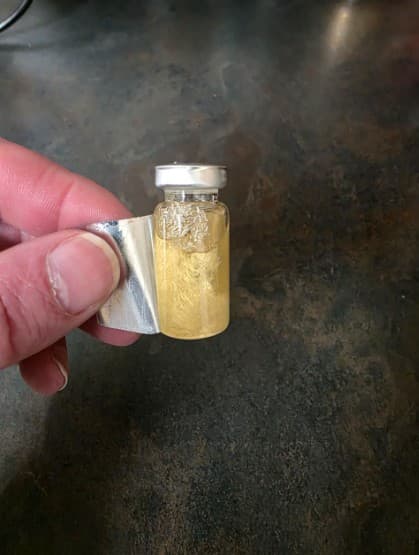
Most users source from unregulated underground labs. No quality control.
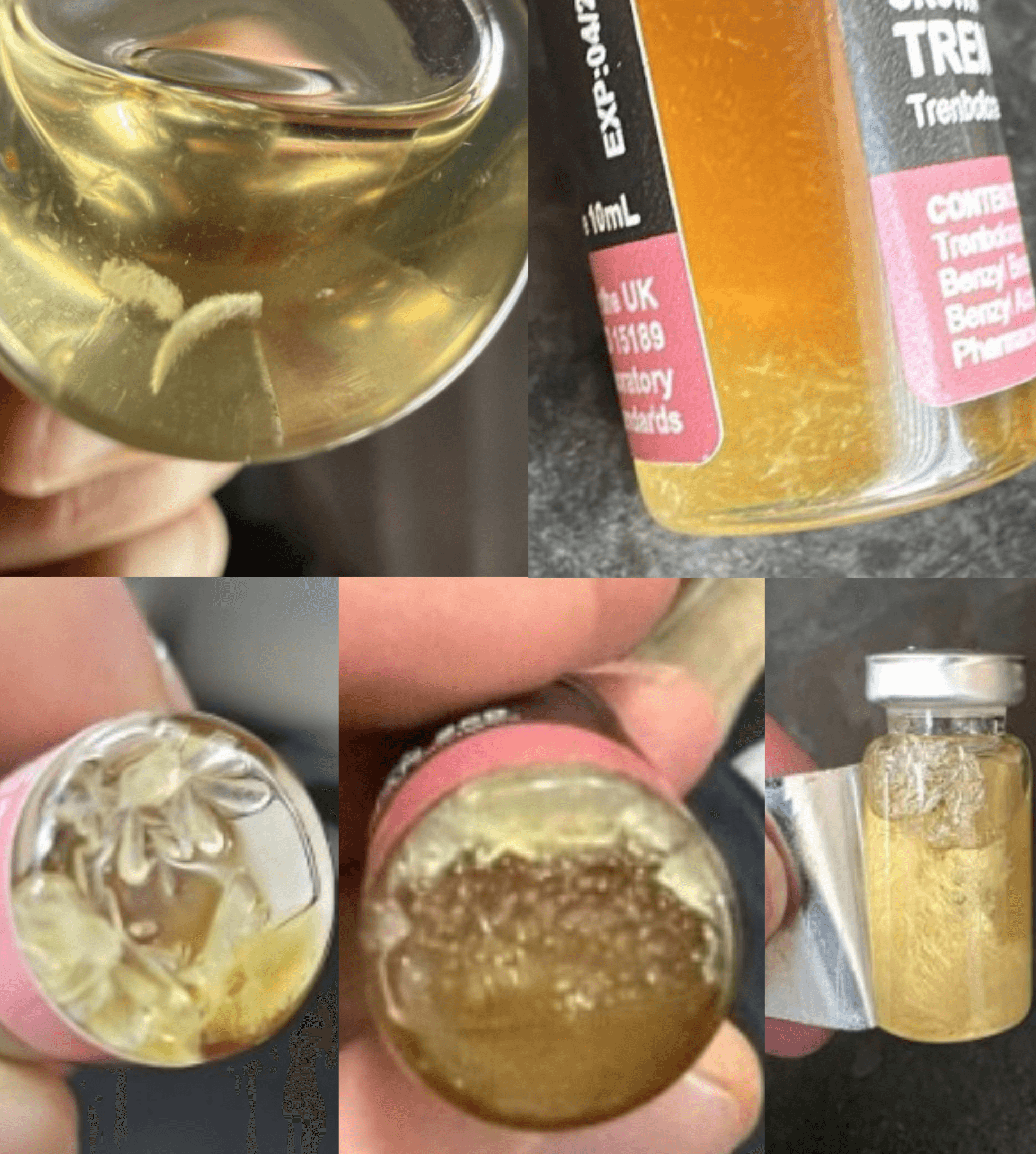
Contaminated vials from our investigation as a result of the void in legislation
Health effects
What steroids do to your body and mind.
Cardiovascular damage
Heart enlargement, accelerated atherosclerosis, high blood pressure, and thickened blood. Completely silent until it isn't.
Mood & behaviour changes
Irritability, aggression, anxiety, and mood swings. The people around you will notice before you do.
Liver strain
Oral steroids stress the liver significantly. Elevated enzymes, impaired bile flow, and in rare cases tumours.
Post-cycle depression
The testosterone crash after a cycle frequently causes depression. This is biochemical, not weakness.
Hormonal disruption
Every cycle shuts down natural testosterone production. Sperm production drops. Recovery may be partial or impossible.
Body dysmorphia
You may never feel big enough. Steroids can create or worsen body dysmorphic disorder.
Gynecomastia
Breast tissue development from elevated oestrogen. Once the tissue solidifies, only surgery can remove it.
Hair loss & acne
Steroids accelerate genetic hair loss through increased DHT activity, sometimes dramatically and irreversibly.
Risks under 25
Can permanently stunt height, disrupt brain development, and cause lasting hormonal damage.
Cardiovascular damage
Heart enlargement, accelerated atherosclerosis, high blood pressure, and thickened blood. Completely silent until it isn't.
Mood & behaviour changes
Irritability, aggression, anxiety, and mood swings. The people around you will notice before you do.
Liver strain
Oral steroids stress the liver significantly. Elevated enzymes, impaired bile flow, and in rare cases tumours.
Post-cycle depression
The testosterone crash after a cycle frequently causes depression. This is biochemical, not weakness.
Protect yourself
Blood work, clean equipment, and proper technique. Non-negotiable.
Testosterone
HDL Cholesterol
ALT
Haematocrit
LH
Blood Pressure
Pin safely
How to prepare for an injection
Where to inject: glute & deltoid
Are you involved with a needle exchange? Work with us.
220 locations. Click a pin for details.
Our Publications & Investigations
Original research and undercover investigations into the UK steroid supply chain.
Centre for Policy Research on Men and Boys
SteroidSafe has been working with the Centre for Policy Research on Men and Boys on a publication examining the unmeasured steroid epidemic in the UK.


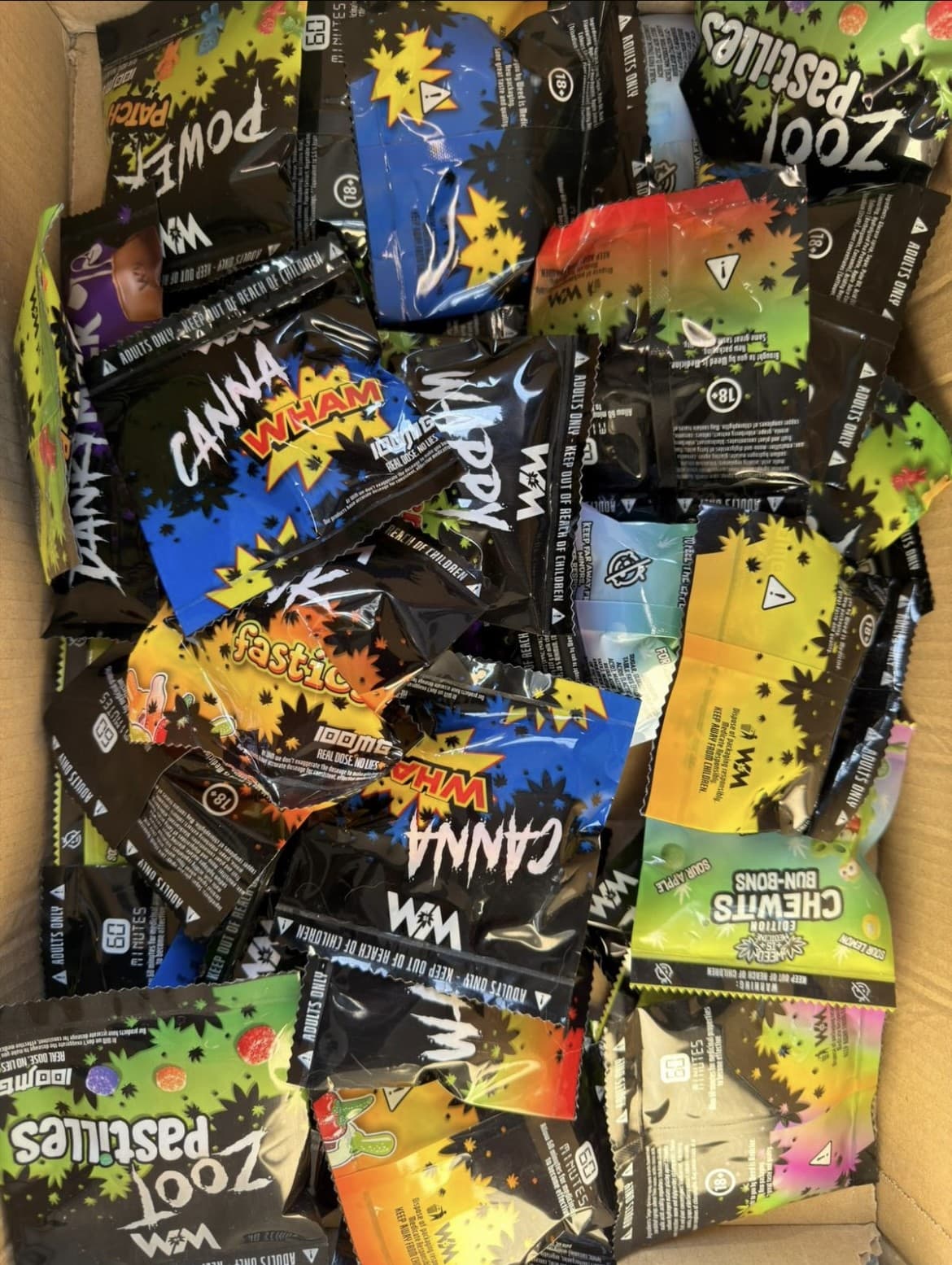
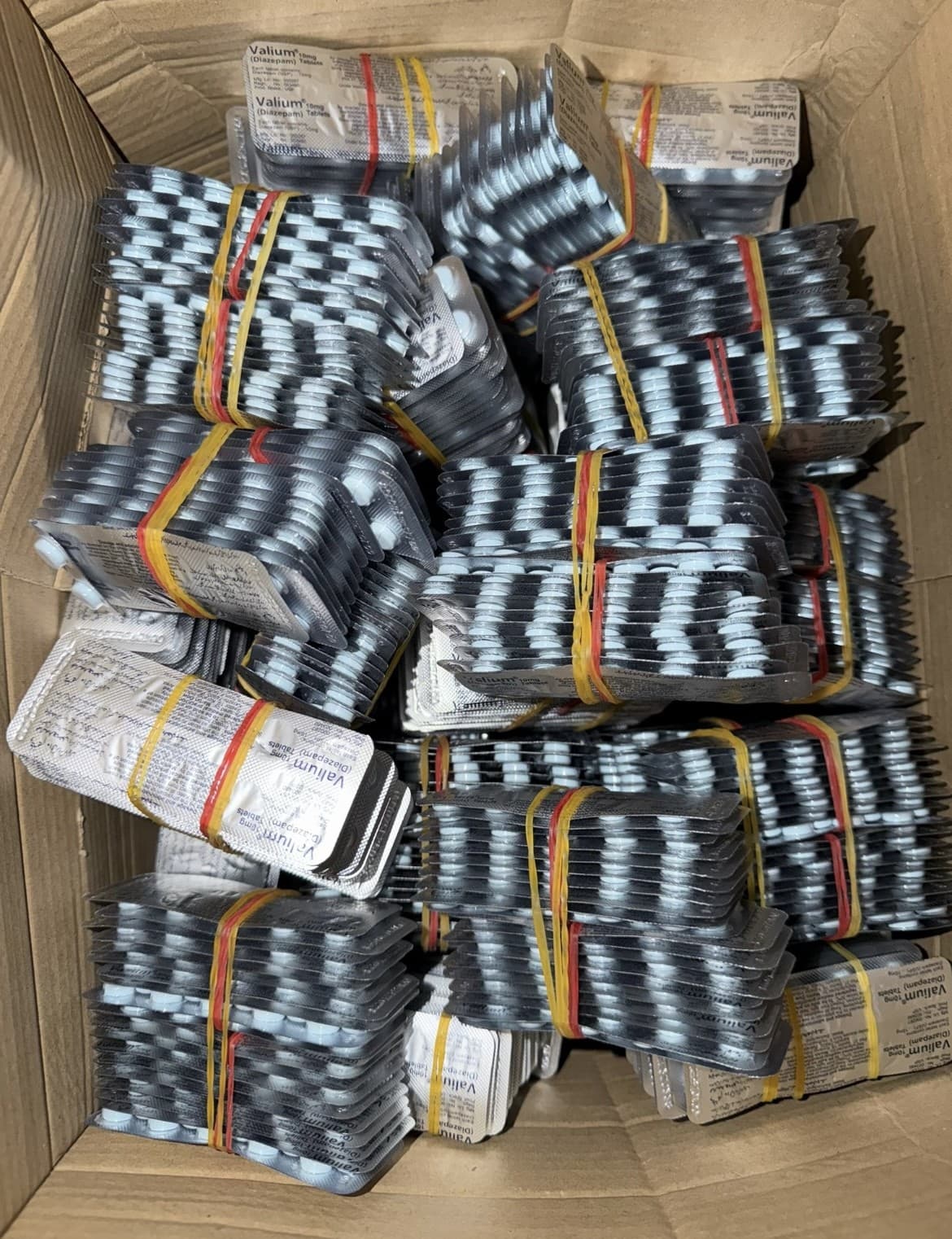
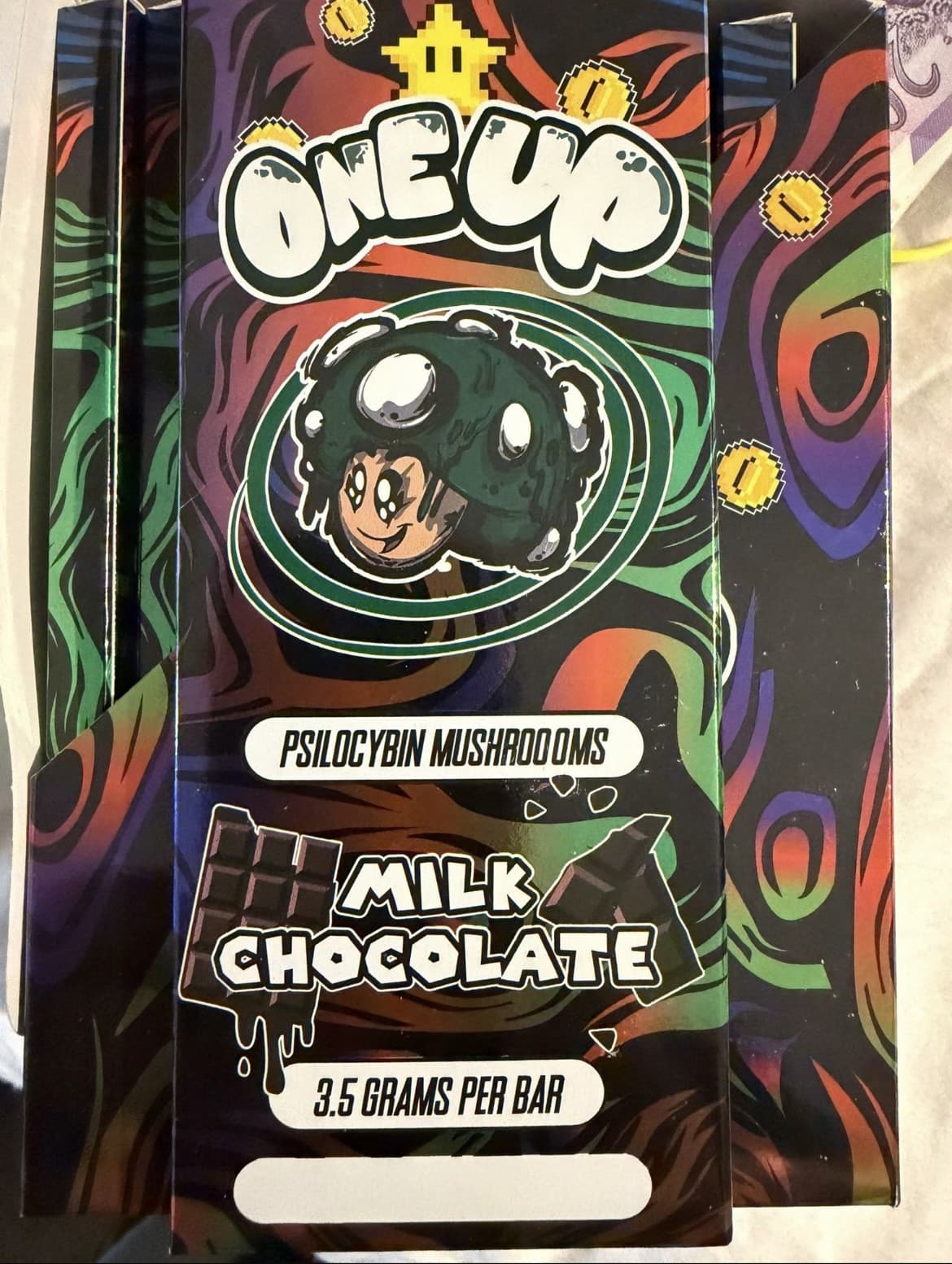

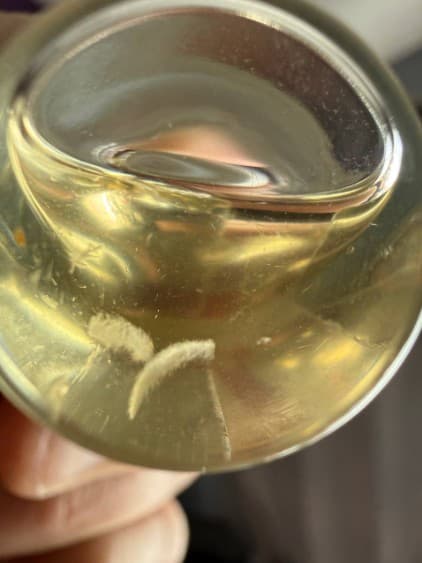
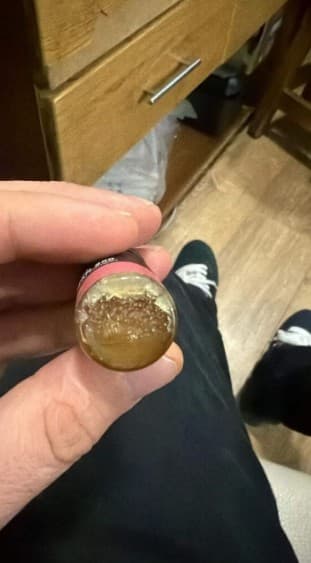
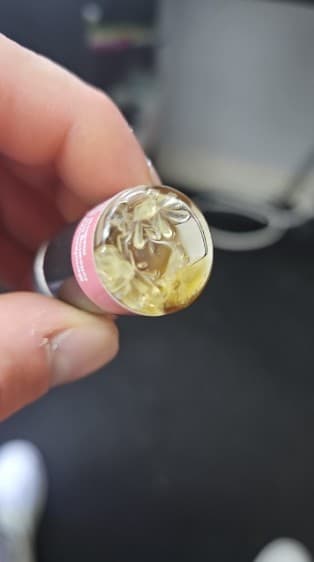
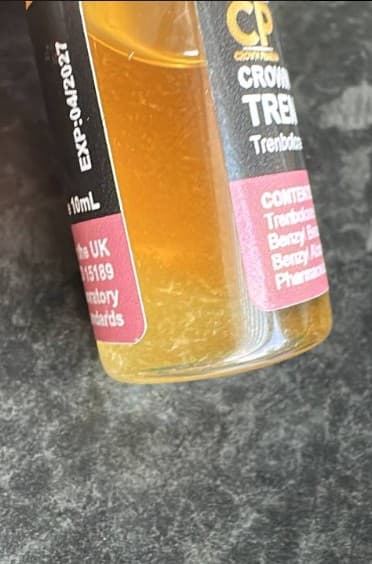
Evidence obtained during our undercover investigation into private chat rooms used to buy and sell anabolic steroids.